
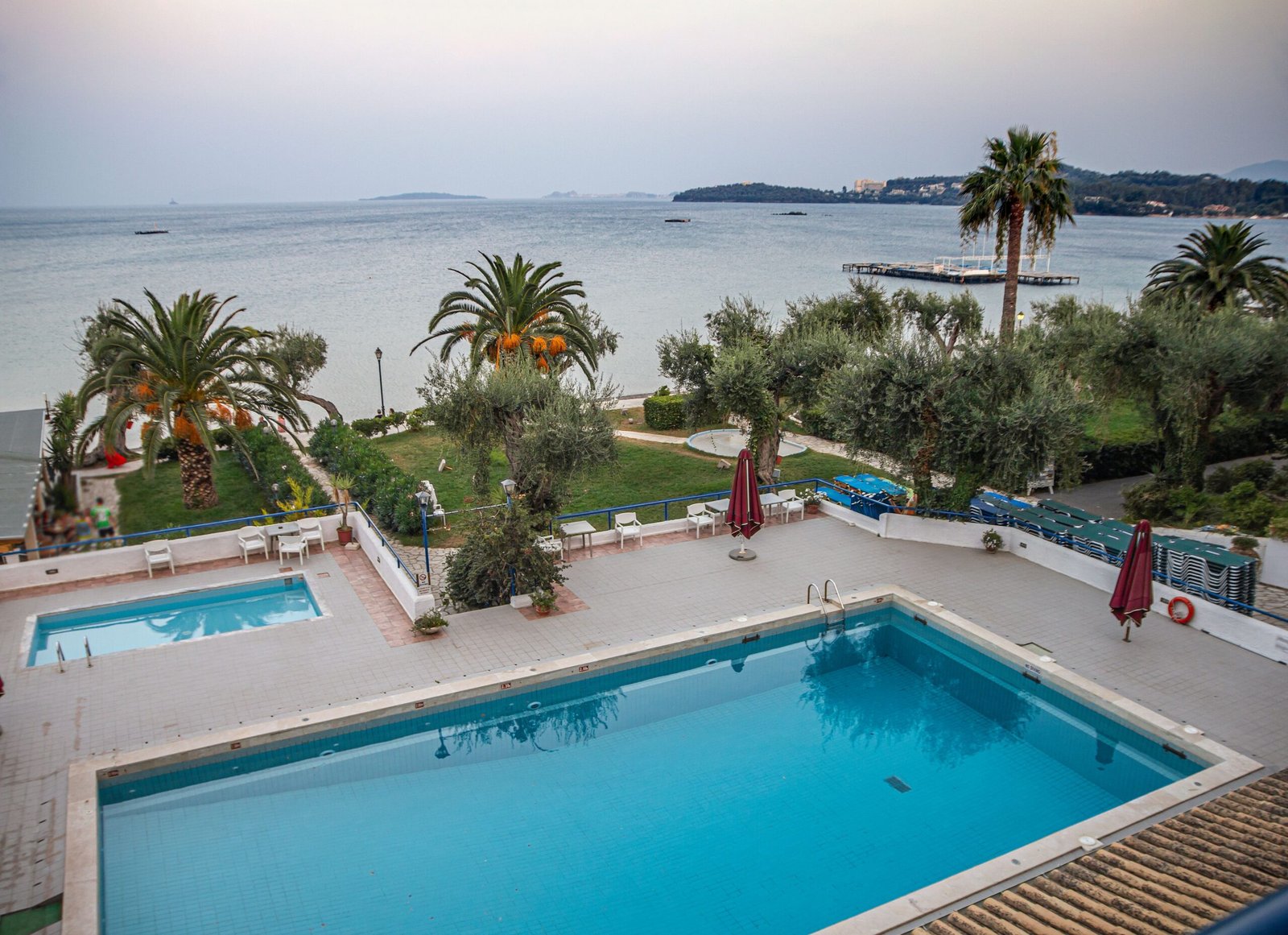
A hotel swimming pool can be one of the most enjoyable amenities of any vacation, offering guests a place to relax, cool off, and spend time with family. However, without proper safety measures, even a well-maintained pool can present serious risks. From slip-and-fall accidents and swimming-related injuries to drowning emergencies, hotel pools require ongoing attention to guest safety. For hotel owners and operators, taking proactive steps to identify hazards, maintain equipment, and establish effective safety procedures is essential to protecting guests while minimizing potential premises liability.
Quick Highlights
- Hotel pool safety requires multiple layers of protection, including appropriate supervision, physical barriers, routine maintenance, safety equipment, and emergency preparedness.
- Common hotel pool hazards include slippery surfaces, inadequate lighting, defective drains, unsafe water conditions, broken equipment, and insufficient supervision.
- Hotels have a legal duty to exercise reasonable care in maintaining their premises, although specific pool safety requirements and liability standards vary by jurisdiction.
- Routine inspections and documented maintenance can help identify potential dangers before they cause injuries and provide evidence of a hotel’s safety practices.
- Clear signage and guest education help communicate pool rules, water depths, swimming restrictions, and emergency procedures.
An effective emergency response plan helps staff respond quickly and appropriately to drowning incidents, injuries, and other pool-related emergencies.
Why Is Hotel Pool Safety So Important?
Swimming pools are popular features at hotels, resorts, and vacation properties, but they also introduce risks that may not exist elsewhere on the premises.
Unlike public swimming facilities where visitors may be familiar with the environment, hotel guests frequently encounter unfamiliar pool layouts, varying water depths, different entry points, and swimming rules they may not have reviewed.
Hotels must also accommodate guests of different ages, abilities, and swimming experience levels. Young children, inexperienced swimmers, older adults, and individuals with mobility limitations may face additional challenges.
Several characteristics make hotel swimming pools particularly vulnerable to accidents:
- Unfamiliar surroundings: Guests may not recognize sudden depth changes, submerged steps, or other features.
- Limited supervision: Some hotels operate swimming pools without lifeguards, depending on applicable regulations.
- High guest turnover: New visitors constantly enter the property without necessarily understanding its safety policies.
- Wet surfaces: Pool decks, changing rooms, and nearby walkways frequently become slippery.
- Extended operating hours: Early morning or evening swimming can create additional visibility and supervision concerns.
- Alcohol consumption: Resort pool bars and nearby dining areas may increase the likelihood of impaired judgment or risky behavior.
Recognizing these risks is the first step toward developing an effective hotel pool safety program.
What Are the Most Common Hotel Pool Accidents and Injuries?
Hotel pool accidents can occur in the water, on surrounding decks, or while guests use nearby amenities.
Slip-and-Fall Accidents
Wet pool decks, slippery stairs, loose tiles, and uneven walking surfaces can contribute to falls.
Although water is expected around swimming pools, property operators should take reasonable precautions against unnecessarily dangerous conditions. These may include maintaining appropriate slip-resistant surfaces, promptly addressing damaged flooring, and ensuring adequate drainage.
Falls near swimming pools can cause fractures, head injuries, spinal injuries, and other serious harm.
Drowning and Near-Drowning Incidents
Drowning is among the most serious swimming pool hazards, particularly for young children and inexperienced swimmers.
According to the Centers for Disease Control and Prevention (CDC), drowning is the leading cause of death among children ages 1 through 4.
Drowning emergencies can happen quickly and quietly, making active supervision, controlled pool access, and emergency preparedness essential.
Surviving a drowning incident does not necessarily mean escaping injury. Nonfatal drowning can cause significant complications, including brain damage from oxygen deprivation.
Diving and Head Injuries
Diving into shallow water, striking a pool wall, or slipping while entering the water can result in traumatic brain injuries, neck injuries, and spinal cord damage.
Clearly marked water depths, appropriate diving restrictions, and properly maintained entry points can help reduce these risks.
Pool Drain and Equipment Injuries
Damaged suction outlets, defective drain covers, broken ladders, and improperly maintained pool equipment can create serious hazards.
Powerful suction forces can trap swimmers against pool drains, potentially causing severe injuries or drowning.
Waterborne Illnesses and Chemical Exposure
Improperly maintained pool water can expose guests to harmful microorganisms and unsafe chemical concentrations.
Insufficient disinfection may contribute to recreational water illnesses, while improper chemical handling can cause respiratory irritation, chemical burns, and other injuries.
Hot tubs and indoor swimming pools can present additional concerns involving water temperature, sanitation, and air quality.
Essential Hotel Pool Safety Measures to Protect Guests
Hotel operators can reduce preventable accidents by adopting a comprehensive safety program that addresses both everyday hazards and emergency situations.
1. Conduct Regular Pool Inspections and Maintenance
Routine inspections are among the most effective ways to identify potential dangers before they lead to accidents.
Hotel maintenance personnel should regularly examine the pool and surrounding areas for:
- Cracked tiles, damaged decking, and uneven walking surfaces.
- Loose ladders, unstable handrails, and damaged steps.
- Broken fencing, malfunctioning gates, and defective locks.
- Inadequate lighting around pools, entrances, and walkways.
- Damaged pool furniture or equipment that could cause injuries.
- Missing or illegible safety signs and water-depth markings.
- Unsafe drain covers and suction outlets.
- Malfunctioning filtration, circulation, and chemical treatment systems.
Identified hazards should be corrected promptly. When an issue creates an immediate danger, operators should restrict access or temporarily close the affected area until it can be safely reopened.
Best practice: Maintain detailed inspection, maintenance, and repair records. These records help staff track recurring problems and may become important when evaluating whether reasonable precautions were taken following an accident.
2. Maintain Proper Pool Water Quality
Clear, properly treated pool water helps protect guests from both illness and injury.
Pool operators should regularly monitor chlorine or bromine concentrations, pH levels, filtration performance, and other water quality indicators required by applicable health codes.
The CDC’s guidance for public pool operators recommends regular testing, accurate maintenance records, properly functioning filtration systems, and trained personnel responsible for chemical handling.
Hotels should also establish procedures for responding to contamination incidents, including fecal accidents and equipment failures.
Additional precautions include:
- Keeping water sufficiently clear to see the pool bottom.
- Maintaining proper circulation and filtration.
- Securing pool chemicals away from guests.
- Following manufacturer instructions for chemical storage and handling.
- Monitoring hot tub temperatures and sanitation.
- Maintaining appropriate ventilation in indoor pool areas.
When pool water becomes unsafe, operators should close the facility until conditions meet applicable safety requirements.
3. Install and Maintain Pool Barriers and Access Controls
Physical barriers provide an important layer of protection against unauthorized access, particularly for young children.
Depending on local regulations and facility design, hotels may use perimeter fencing, self-closing and self-latching gates, controlled-entry doors, or electronic access systems.
- Effective pool access controls should:
- Prevent unsupervised entry into restricted swimming areas.
- Keep gates and access doors functioning properly.
- Limit access outside established operating hours.
- Reduce the likelihood that children can enter without adult supervision.
- Allow appropriate emergency access and evacuation.
Pool alarms and access-monitoring technology can provide additional protection, but they should supplement – not replace – proper barriers and supervision.
Hotels should also inspect gates and locks regularly rather than assuming that installed safety features remain functional.
4. Provide Clear Pool Safety Signage and Rules
Hotel guests should be able to understand the rules and potential hazards before entering the water.
Safety signage should be prominently displayed, easy to read, and consistent with applicable local requirements.
Important information may include:
- Pool operating hours.
- Water-depth markings.
- No-diving warnings where appropriate.
- Whether a lifeguard is on duty.
- Child supervision requirements.
- Restrictions on running, roughhousing, or unsafe activities.
- Emergency contact instructions.
- Hot tub safety warnings and occupancy limits.
- Rules concerning glass containers, food, and alcohol.
Hotels serving international visitors may also benefit from multilingual signs or universally recognizable safety symbols.
Important: Posting warning signs does not automatically eliminate a hotel’s legal responsibility for dangerous conditions. Signs are one component of a broader safety program, not a substitute for reasonable maintenance and hazard prevention.
5. Establish Appropriate Supervision Procedures
Not every hotel swimming pool is legally required to have a lifeguard. Requirements depend on state and local regulations, pool design, facility operations, and other circumstances.
However, the absence of a lifeguard does not mean hotel operators can disregard foreseeable safety risks.
Properties without lifeguards should establish appropriate procedures for monitoring pool conditions, responding to emergencies, and enforcing safety policies.
Hotel management should consider:
- Clearly identifying whether lifeguard services are provided.
- Assigning responsibility for regular pool-area inspections.
- Training employees to recognize emergencies.
- Establishing procedures for reporting dangerous behavior.
- Communicating child supervision requirements.
Evaluating whether additional supervision is appropriate during high-occupancy periods.
Pool attendants who distribute towels or assist guests should not be represented as lifeguards unless they are properly qualified and assigned to perform lifeguarding duties.
Parents and caregivers should also understand that children require close, continuous supervision, even when lifeguards are present.
6. Ensure Pool Drains and Safety Equipment Meet Applicable Standards
Swimming pool drains can present hidden dangers when suction outlets are improperly designed, damaged, or inadequately protected.
The federal Virginia Graeme Baker Pool and Spa Safety Act establishes anti-entrapment requirements for public swimming pools and spas, including compliant drain covers and additional protections for certain drain configurations.
Hotel operators should verify that their equipment meets applicable requirements and that covers are properly installed, inspected, and replaced when necessary.
The U.S. Consumer Product Safety Commission (CPSC) provides guidance on these federal requirements.
Beyond drain safety, hotels should maintain readily accessible emergency equipment appropriate to their facilities and local regulations, such as rescue rings, reaching poles, first aid supplies, and automated external defibrillators (AEDs).
Employees should know where emergency equipment is located and how to use it within the scope of their training.
7. Develop a Comprehensive Emergency Response Plan
Even with strong preventive measures, swimming pool emergencies can still occur.
A documented emergency action plan helps hotel employees understand their responsibilities when a guest is injured, experiences a medical emergency, or requires rescue.
An effective response plan should address:
- Emergency communication: How employees contact 911 and notify hotel management.
- Rescue procedures: How trained personnel respond to a swimmer in distress.
- CPR and first aid: Which employees are trained and where emergency equipment is located.
- Emergency access: How first responders reach the pool quickly.
- Pool evacuation: When and how swimming areas must be cleared.
- Incident reporting: How injuries, equipment problems, and witness information are documented.
- Follow-up procedures: How management addresses hazards and determines when the pool can safely reopen.
Hotels should conduct periodic staff training and emergency drills to help employees respond effectively under pressure.
A plan is only useful when employees understand it and have the resources necessary to carry it out.
8. Make Pool Accessibility Part of the Safety Program
Pool safety also involves ensuring that guests with disabilities can access and use swimming facilities appropriately.
The Americans with Disabilities Act (ADA) establishes accessibility requirements for swimming pools, wading pools, and spas at covered public accommodations, including hotels and resorts.
Depending on the facility and applicable requirements, accessible features may include pool lifts, sloped entries, accessible routes, and appropriate entry or exit systems.
Hotel operators should regularly inspect accessible equipment and ensure it remains operational when required.
Additional guidance is available from the U.S. Department of Justice regarding accessible swimming pools.
Maintaining accessibility is an important part of providing a safe and welcoming experience for all guests.
How Hotel Pool Safety Relates to Premises Liability
Premises liability refers to the legal responsibility that property owners or other responsible parties may have when unsafe property conditions cause injuries.
Hotels generally owe guests a duty to exercise reasonable care in maintaining their premises. This responsibility can extend to swimming pools, hot tubs, pool decks, changing facilities, and related amenities.
Although specific legal standards vary by jurisdiction, hotel pool premises liability claims commonly involve questions such as:
- Did the hotel have a duty to protect the injured guest from the particular hazard?
- Was there a dangerous condition or failure to take reasonable precautions?
- Did the hotel know, or should it reasonably have known, about the danger?
- Did the hotel fail to correct the condition or provide an appropriate warning?
- Did the alleged negligence contribute to the guest’s injuries?
For example, a hotel that repeatedly receives complaints about a broken pool ladder but fails to address the issue could face liability concerns if a guest is subsequently injured.
Similarly, inadequate inspections, malfunctioning safety barriers, or failure to maintain required equipment may become relevant when investigating a serious pool accident.
However, an injury occurring at a hotel swimming pool does not automatically mean the hotel was negligent. Liability depends on the circumstances, applicable law, and evidence connecting a breach of duty to the injury.
How Can Hotels Minimize Their Premises Liability Exposure?
Preventing injuries should always be the primary goal of a hotel’s pool safety program. However, strong operational practices can also help management demonstrate a commitment to reasonable guest safety.
Several approaches are particularly important.
Develop Written Pool Safety Policies
Establish clear procedures for inspections, maintenance, guest supervision, emergency response, and temporary pool closures. Review these policies periodically to ensure they reflect current operations and applicable requirements.
Document Inspections and Corrective Actions
Record when inspections occur, what problems are discovered, and how they are resolved. Documentation should accurately reflect actual work performed rather than simply indicating that a checklist was completed.
Respond Promptly to Guest Complaints
Encourage guests and employees to report unsafe conditions. Investigate complaints and document appropriate corrective actions.
Train Employees Consistently
Make sure staff members understand pool safety expectations, emergency communication procedures, and their individual responsibilities. Provide refresher training when operational procedures or equipment change.
Evaluate Contractors and Maintenance Providers
Hotels that rely on outside pool service providers should verify their qualifications, clearly define maintenance responsibilities, and establish procedures for communicating safety concerns.
Review Applicable Regulations and Insurance Coverage
State and local swimming pool codes can address fencing, lifeguard requirements, water quality, emergency equipment, inspections, and other safety concerns.
Hotels should periodically review their legal obligations with qualified professionals and evaluate whether their insurance coverage appropriately addresses pool-related risks.
While these measures can help reduce accidents and potential exposure, no checklist or maintenance record guarantees protection from a premises liability claim.
What Can Hotel Guests Do to Stay Safe Around Swimming Pools?
Although hotel operators have important responsibilities, guests can also take practical precautions to reduce their risk of injury.
Before entering a hotel swimming pool, guests should:
- Read posted pool rules and check water-depth markings.
- Supervise children closely and continuously.
- Avoid swimming alone, particularly when no lifeguard is present.
- Walk rather than run on wet pool decks.
- Avoid diving unless the area is specifically designed and designated for diving.
- Stay away from pool drains and damaged equipment.
- Avoid swimming while impaired by alcohol or other substances.
- Locate available rescue equipment and emergency contact information.
- Report broken handrails, damaged tiles, malfunctioning gates, or other hazards to hotel management.
- Guests should also avoid entering pools with visibly cloudy water, obvious equipment problems, or other concerning conditions.
Taking these precautions can help create a safer swimming environment for everyone.
Making Hotel Pool Safety a Year-Round Priority
Hotel swimming pools should provide opportunities for relaxation and recreation – not expose guests to preventable dangers.
Creating a safer pool environment requires more than installing warning signs or performing occasional maintenance. It involves a coordinated approach to inspections, water quality, physical barriers, employee training, guest communication, and emergency preparedness.
For hotel owners and operators, investing in proactive safety measures can help reduce serious injuries, improve guest confidence, protect a property’s reputation, and minimize potential premises liability exposure.
Ultimately, the most effective hotel pool safety programs are built around prevention, consistent oversight, and a commitment to addressing hazards before an accident occurs.