
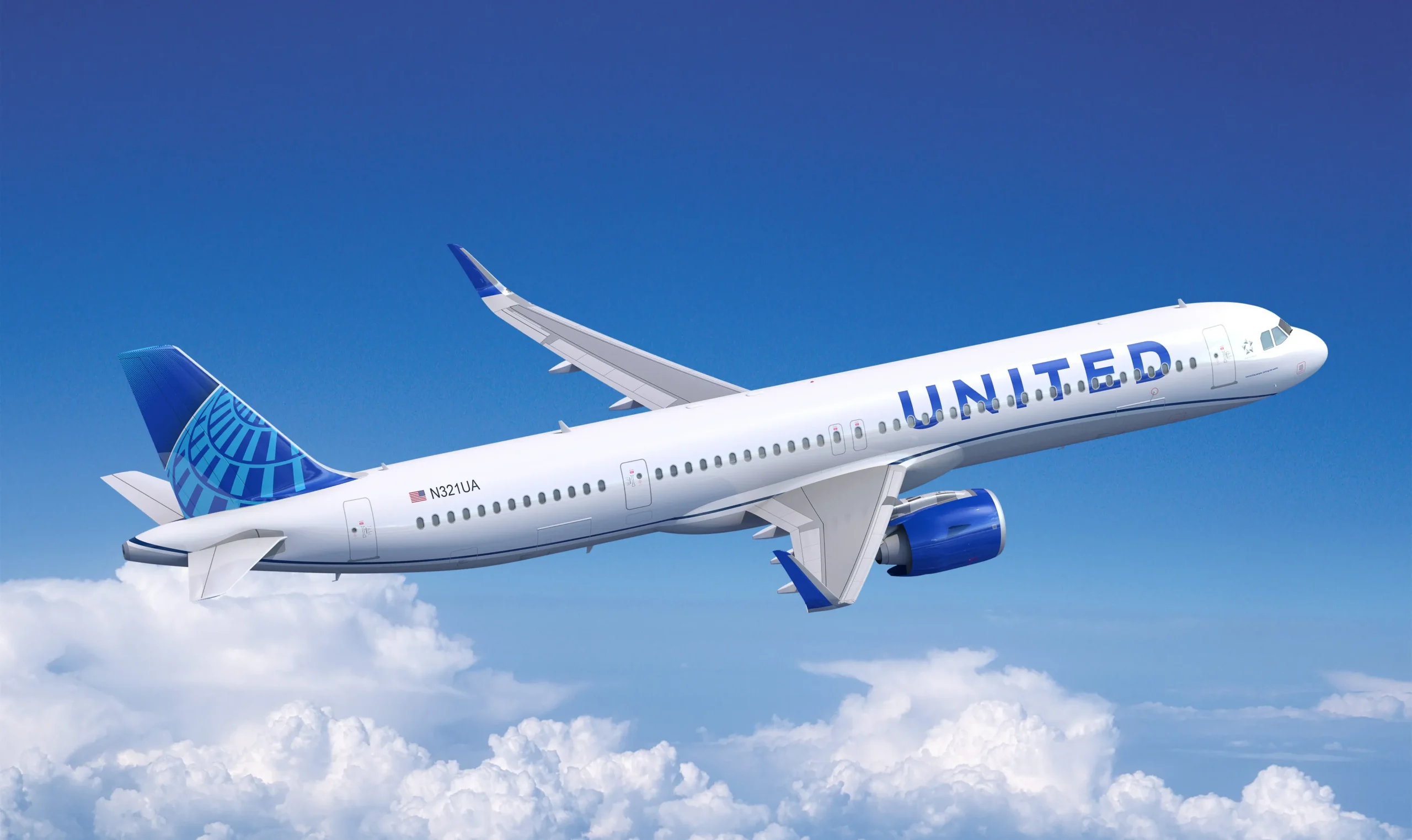
United Flight UA109 Diversion, a transatlantic service from Munich, Germany, to Washington Dulles International Airport in the United States, was unexpectedly diverted to Dublin Airport in Ireland. The reason for this unscheduled stop was a medical issue involving a crew member. While diversions of this nature are uncommon, this incident highlights the airline’s commitment to safety and the protocols in place to protect passengers and crew.
We provides a detailed overview of the UA109 diversion, including the circumstances, aviation procedures, passenger experience, and broader implications for air travel safety.
Flight Overview and Scheduled Route
United Flight UA109 Diversion was a long-haul operation using a Boeing 787 Dreamliner, carrying approximately 200 passengers and crew. The flight’s planned itinerary involved a direct transatlantic route from Munich to Washington Dulles, expected to take roughly 8 to 9 hours.
Shortly after takeoff, the aircraft cruised over Western Europe before heading toward the North Atlantic. Everything proceeded normally until around 90 minutes into the flight, when a situation arose that required immediate attention.
The Reason for the Diversion
Midway into the journey, a crew member experienced a medical condition that necessitated urgent evaluation. Although the situation was not life-threatening, the flight crew made the decision to divert to the nearest suitable airport capable of handling a wide-body jet and providing immediate medical assistance.
The primary goal in this scenario was passenger and crew safety. Airlines prioritize health over schedules, and diversions are standard procedures when any medical concern arises onboard.
Why Dublin Airport Was Chosen
Dublin Airport was selected as the diversion point due to several factors:
- Proximity to the aircraft at the time of the incident
- Facilities for medical emergencies, including paramedics and hospital access
- Runway length and capacity to accommodate long-haul aircraft like the Boeing 787
- Operational readiness for international flights
Strategically located along North Atlantic flight paths, Dublin Airport often serves as a diversion hub for transatlantic flights requiring an unscheduled landing.
Landing and Immediate Actions
The aircraft landed safely at Dublin Airport in the early afternoon. Upon arrival, medical personnel assessed the crew member, confirming that no severe medical intervention was required. All passengers remained on board during the evaluation, minimizing disruption and ensuring comfort.
After safety checks and medical clearance, United Flight UA109 Diversion departed Dublin and resumed its journey to Washington Dulles. The flight arrived later than scheduled, but all passengers and crew reached their destination safely.
Aviation Safety Protocols Demonstrated
The United Flight UA109 Diversion incident highlights several critical aspects of modern aviation safety:
Precautionary Diversions
Airlines maintain a list of alternate airports along every route. In the event of medical emergencies, technical issues, or other unforeseen problems, pilots can divert to ensure safety. Diversions prioritize life and health over schedule adherence.
ETOPS Planning
For transatlantic flights, ETOPS (Extended Twin Engine Operations) regulations ensure that twin-engine aircraft are always within a safe distance from a suitable diversion airport. This ensures that pilots can land safely in case of emergencies.
Crew and Passenger Safety
Airlines are trained to handle medical emergencies onboard. Flight attendants are trained in first aid, and pilots are in continuous contact with airline medical teams for guidance during in-flight emergencies.
Passenger Experience During Diversions
Passengers on UA109 likely experienced a mix of concern and reassurance. Typical steps during such diversions include:
- Clear announcements from the flight crew explaining the situation
- Temporary delays while the aircraft lands and medical personnel provide care
- Coordination with airline ground staff to ensure passenger comfort
- Continued flight once safety is confirmed
Despite the unscheduled stop, passengers were able to continue their journey safely, demonstrating the effectiveness of airline emergency protocols.
Broader Implications of Flight Diversions
Diversions like UA109, although infrequent, are essential for ensuring aviation safety and passenger protection. They highlight the following points:
- Preparedness Matters: Airlines carefully plan routes with alternate airports for potential emergencies.
- Safety Over Schedule: Even minor medical issues can trigger diversions to avoid escalation.
- Minimal Passenger Disruption: When handled efficiently, diversions cause only temporary delays and maintain passenger well-being.
Such incidents reassure travelers that airlines are proactive in addressing emergencies, whether medical, technical, or weather-related.
Lessons Learned
The UA109 diversion serves as a reminder of the importance of safety and preparedness in air travel:
- Immediate Decisions Save Lives: Pilot judgment and airline protocols are designed to respond swiftly to emergencies.
- Passenger Awareness is Key: Travelers should follow crew instructions during diversions to ensure safety.
- Airline Training Pays Off: Crew training and pre-planned contingency procedures help manage unexpected situations effectively.
Conclusion
The diversion of United Flight UA109 Diversion to Dublin Airport was a successful demonstration of aviation safety protocols in action. Although the flight experienced an unscheduled stop due to a crew member’s medical condition, all passengers and crew arrived safely at their destination.
This event underscores that airline safety procedures are robust, and diversions, while inconvenient, are a proactive and essential measure. For passengers, it highlights the importance of trusting crew instructions and understanding that safety is always the top priority in commercial aviation.
United Flight UA109’s experience illustrates the careful planning, quick decision-making, and coordinated efforts that make air travel one of the safest modes of transportation today.