
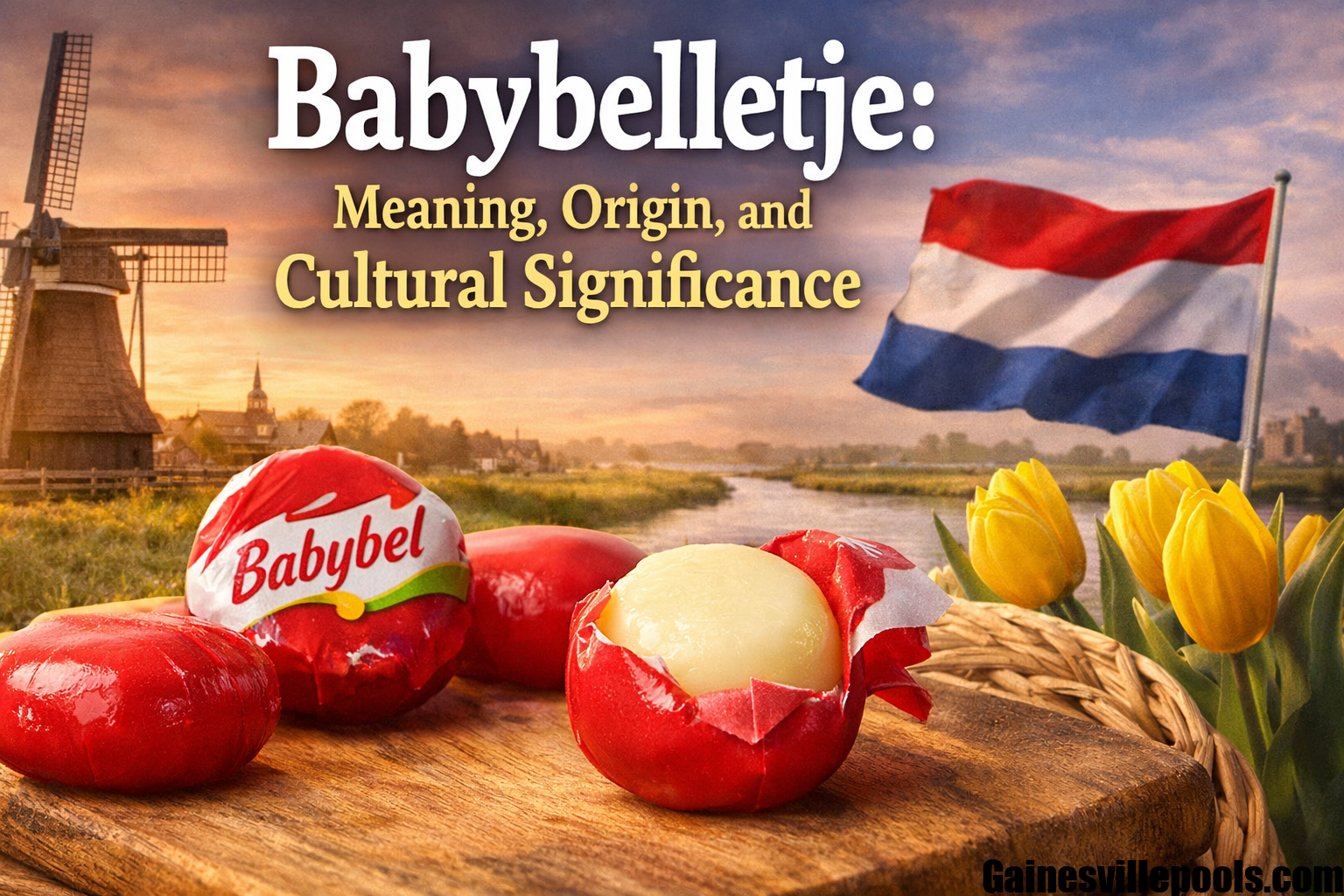
In the intersection of language, culture, and everyday life, even the smallest words can carry layers of meaning. One such word is Babybelletje, a Dutch term that reflects both linguistic creativity and the cultural integration of a globally recognized snack. While it may appear simple, Babybelletje offers insight into how language adapts to everyday experiences and how products become part of personal and cultural expression.
The term originates from Mini Babybel cheese, a small, round dairy snack known for its iconic red wax coating and convenient packaging. By adding the Dutch diminutive suffix “-tje,” the word transforms into something more than just a product reference. It becomes softer, more familiar, and emotionally expressive. This transformation is central to understanding the depth of Babybelletje.
In a world where global brands interact with local languages, Babybelletje stands as an example of how communication evolves naturally. This article explores the meaning, linguistic structure, cultural context, and modern relevance of Babybelletje, offering a comprehensive and authoritative perspective designed to provide real value and clarity.
What Does Babybelletje Mean?
Babybelletje refers to a small Mini Babybel cheese, expressed in a diminutive and often affectionate way in the Dutch language. However, its meaning goes beyond size. It represents familiarity, warmth, and informality, making it a common expression in everyday conversation.
The Dutch language frequently uses diminutives to create softer and more engaging expressions. When “Babybel” becomes “Babybelletje,” the word takes on a tone that is more personal and approachable. It may be used when offering a snack, speaking with children, or simply referring to something small in a friendly manner.
This dual nature—both literal and emotional—makes Babybelletje a unique example of how language functions beyond direct translation.
The Linguistic Foundation of Babybelletje
Understanding the Diminutive Structure
The suffix “-tje” is an essential part of Dutch grammar. It is used to form diminutives, which can indicate smallness, affection, or informality. This linguistic feature is deeply embedded in everyday communication, shaping how people express themselves in casual contexts.
When applied to Babybel, the suffix does more than indicate size. It transforms the word into something that feels lighter and more engaging. The result is a term that reflects both the physical characteristics of the product and the emotional tone of the speaker.
Language as Cultural Expression
Language is not only a tool for communication but also a reflection of cultural values. The frequent use of diminutives in Dutch highlights a preference for friendliness and approachability. Words are often softened to create a sense of connection and ease.
Babybelletje fits naturally into this linguistic environment. It demonstrates how language can adapt to everyday objects, turning them into expressions that carry both meaning and emotion.
Mini Babybel Cheese: The Product Behind the Word
To fully appreciate the meaning of Babybelletje, it is important to understand the product it represents. Mini Babybel cheese is a globally recognized snack known for its distinctive design and practical use.
The cheese is small, round, and individually wrapped in red wax, making it easy to carry and consume. Its mild flavor appeals to a wide audience, from children to adults, contributing to its widespread popularity.
The design of Mini Babybel is both functional and memorable. The wax coating preserves freshness while also creating a playful visual identity. This combination of practicality and creativity has helped the product become a staple in many households.
As the product became integrated into daily routines, language evolved alongside it, giving rise to terms like Babybelletje.
Cultural Context and Everyday Usage
Informal Communication in Dutch Society
In Dutch-speaking regions, Babybelletje is typically used in informal settings. It is not a formal or technical term but rather a word that appears in everyday conversations. Its tone is light, friendly, and often playful.
This usage reflects a broader cultural tendency toward relaxed and approachable communication. Language is used to create connection rather than distance, and diminutives play a key role in achieving this.
Family and Social Interaction
Babybelletje is particularly common in family environments. Parents may use the term when offering snacks to children, creating a more engaging and affectionate interaction. The word’s soft sound and friendly tone make it suitable for such contexts.
This highlights how language can enhance everyday experiences, turning simple actions into moments of connection.
The Emotional Dimension of Babybelletje
Affection and Familiarity in Language
One of the defining characteristics of Babybelletje is its emotional undertone. The diminutive form adds a sense of warmth, making the word feel more personal. This emotional layer is an important aspect of communication, particularly in informal settings.
Child-Friendly Language and Appeal
The structure of Babybelletje makes it especially appealing to children. Its soft and rhythmic sound creates a playful effect, aligning with the product’s design and target audience. This connection between language and product enhances the overall experience.
Babybelletje in Modern Snack Culture
Convenience in Contemporary Lifestyles
Modern lifestyles often prioritize convenience, and Mini Babybel cheese fits perfectly into this trend. Its compact size and individual packaging make it an ideal snack for busy schedules.
Babybelletje, as a term, reflects this convenience while adding a sense of familiarity. It represents a snack that is both practical and enjoyable, aligning with contemporary preferences.
Nutrition and Everyday Choices
As people become more aware of their dietary habits, snacks that offer nutritional value are gaining popularity. Mini Babybel cheese provides a source of protein and calcium, making it a practical choice for those seeking balance in their diet.
This nutritional aspect adds to the relevance of Babybelletje in modern discussions about food and lifestyle.
The Relationship Between Language and Branding
Babybelletje demonstrates how global brands can influence local language. While “Babybel” is a standardized product name, its adaptation into Babybelletje shows how language personalizes and localizes global concepts.
This interaction benefits both language and branding. The product becomes more relatable, while the language gains new expressions that reflect real-life experiences.
Why Babybelletje Matters in a Broader Context
A Reflection of Language Evolution
Babybelletje is an example of how language evolves naturally. As new products enter everyday life, people adapt their language to describe and interact with them. This process creates new words and expressions that reflect changing realities.
Everyday Objects as Cultural Symbols
Even simple objects like a cheese snack can become part of cultural expression. Babybelletje shows how everyday items can carry meaning beyond their practical use, becoming symbols of familiarity and comfort.
The Future of Everyday Language and Terms Like Babybelletje
As globalization continues, more products will cross cultural and linguistic boundaries. This movement will lead to the creation of new words and expressions, similar to Babybelletje.
Language will continue to evolve, blending global influences with local traditions. Words like Babybelletje highlight the creativity of this process, showing how people adapt language to fit their needs.
Conclusion
Babybelletje is more than just a diminutive form of a product name. It is a reflection of language, culture, and modern lifestyle. By combining a global brand with a Dutch linguistic feature, it creates a term that is both meaningful and approachable.
Through its usage, Babybelletje demonstrates how language can express not only information but also emotion and connection. It highlights the importance of context, tone, and cultural influence in communication.
In a world where language is constantly evolving, Babybelletje serves as a reminder that even the smallest words can carry significant meaning. It represents the blending of global and local, practical and emotional, simple and complex—making it a powerful example of how language shapes our everyday experiences.