
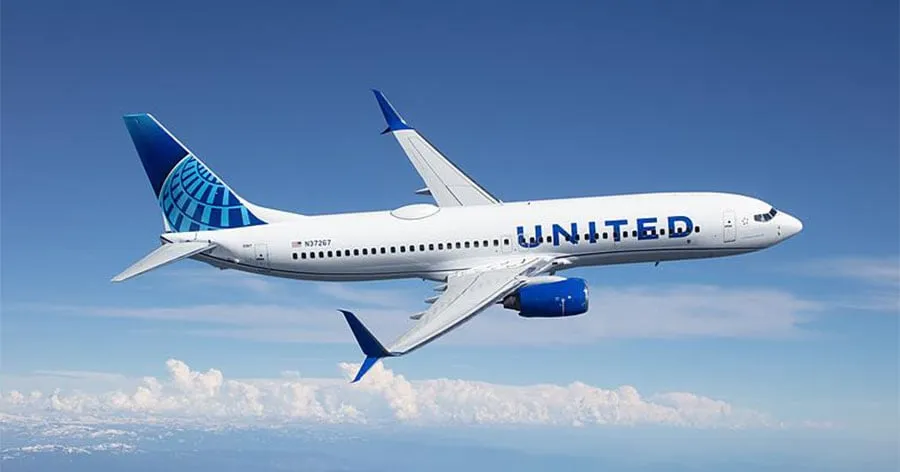
Understanding the Incident Behind United Flight UA967 Diverted
The phrase united flight ua967 diverted quickly began circulating across search engines, social media, and aviation news platforms after a transatlantic United Airlines service did not complete its planned route. For travelers, diversions can sound alarming, but in commercial aviation they are often a sign that safety protocols are working exactly as intended.
United Flight UA967 is a regularly scheduled international service operated by United Airlines, connecting southern Europe with the United States. On the day of the incident, the aircraft departed later than scheduled and was already managing operational challenges before encountering an in-flight issue that prompted the flight crew to divert to an alternate airport.
Understanding why United Flight UA967 was diverted requires a closer look at how airlines plan transatlantic routes, how flight crews assess risk in real time, and why diversion decisions are considered routine rather than exceptional in long-haul aviation.
The Planned Route and Normal Operations of UA967
Under normal circumstances, United Flight UA967 operates between Naples, Italy, and Newark Liberty International Airport in New Jersey. This route crosses a large portion of the North Atlantic, an area governed by strict international aviation rules designed to minimize risk in remote airspace.
Before every departure, airline dispatchers and flight crews conduct detailed planning that includes fuel requirements, weather forecasts, aircraft performance, and the availability of alternate airports along the route. Because transatlantic flights spend many hours far from major landmasses, airlines pre-identify diversion airports in Canada, Iceland, Ireland, and Greenland.
When the keyword united flight ua967 diverted appears in news headlines, it signals that one of these pre-planned alternates was used, not that the aircraft was in immediate danger.
What Triggered the United Flight UA967 Diversion
While airlines rarely disclose every technical detail immediately, reports indicate that United Flight UA967 was diverted due to a safety-related concern identified mid-flight. In aviation, even minor anomalies can justify a diversion when the aircraft is far from its destination.
Pilots are trained to treat unusual odors, instrument irregularities, or system alerts with extreme caution. Continuing for several more hours across open ocean when a potential technical issue exists is rarely the preferred option. Instead, flight crews choose the safest nearby airport where maintenance teams and emergency services are readily available.
In the case of united flight ua967 diverted, the crew followed standard safety procedures and selected a suitable alternate airport in eastern Canada, a common choice for flights crossing the Atlantic from Europe to North America.
Why Diversions Are Common in Transatlantic Aviation
For passengers unfamiliar with aviation operations, diversions can feel dramatic. In reality, they are a built-in feature of safe airline travel. Long-haul flights operate under Extended-range Twin-engine Operational Performance Standards, commonly known as ETOPS. These rules require aircraft to remain within a specific distance of diversion airports at all times.
If weather conditions change, mechanical indicators appear, or a medical situation arises onboard, a diversion becomes the most conservative and responsible choice. The united flight ua967 diverted situation reflects this conservative safety culture rather than an extraordinary failure.
Airlines prefer diversions because they reduce uncertainty. Landing earlier than planned allows engineers to inspect the aircraft thoroughly, crews to reset duty limits, and passengers to continue their journey on a reliable replacement plan.
Passenger Experience During the UA967 Diversion
From a passenger’s perspective, a diversion introduces confusion and frustration. Cabin announcements typically inform travelers that the flight will land at an alternate airport due to operational or technical reasons, emphasizing that safety is not compromised.
On United Flight UA967, passengers experienced an extended journey that included landing in Canada and waiting for further instructions. While uncomfortable, this process is standard and designed to keep everyone safe.
Airlines are obligated to provide care depending on local regulations and company policy. This can include meals, hotel accommodation if an overnight stay is required, and rebooking on the next available flight to the original destination.
The surge in searches for united flight ua967 diverted reflects passengers and their families seeking clarity, reassurance, and official explanations during this unexpected disruption.
The Role of Alternate Airports in Canada
Canada plays a crucial role in North Atlantic aviation safety. Airports such as St. John’s, Gander, and Halifax are strategically positioned to support diversions from transatlantic routes.
When United Flight UA967 was diverted, the chosen Canadian airport provided runway capacity, customs facilities, and emergency readiness. These airports are accustomed to handling wide-body aircraft and international passengers, making them ideal diversion points.
This infrastructure is a key reason why transatlantic air travel maintains such a strong safety record. The united flight ua967 diverted event demonstrates how international cooperation supports aviation reliability.
How United Airlines Handles Diversions Operationally
For an airline, a diversion triggers a complex operational response. Aircraft maintenance teams must assess the issue that caused the diversion, while crew schedulers evaluate duty time limitations. At the same time, customer service teams begin rebooking passengers and arranging accommodations.
United Airlines operates one of the world’s largest international networks, which allows flexibility when disruptions occur. Replacement aircraft, partner airlines, and alternate routing options help minimize long-term delays.
Although passengers may remember the inconvenience, airlines view diversions like UA967 as successful outcomes because the flight landed safely and the issue was addressed before escalating.
Media Coverage and Public Reaction to United Flight UA967 Diverted
In the age of social media, flight diversions quickly become trending topics. Passengers share photos, flight tracking screenshots, and firsthand accounts that spread rapidly online. This visibility often amplifies concern, even when the situation is under control.
The phrase united flight ua967 diverted gained traction partly because of this real-time sharing. Aviation analysts often remind the public that such coverage does not indicate danger but rather transparency.
Modern flight tracking tools allow anyone to observe aircraft routes in real time, making diversions more visible than ever before. What once might have gone unnoticed now becomes a global talking point within minutes.
Safety Culture Behind Diversion Decisions
Commercial aviation operates on the principle that it is better to divert unnecessarily than to continue with unresolved uncertainty. Pilots are encouraged, not penalized, for making conservative decisions.
The UA967 diversion aligns with this philosophy. Rather than pushing onward for several more hours, the crew prioritized a timely landing where support was available. This mindset has contributed to aviation’s reputation as one of the safest modes of transportation.
Understanding this culture helps contextualize why united flight ua967 diverted should be viewed as evidence of professionalism rather than failure.
What Travelers Can Learn from the UA967 Diversion
For frequent flyers and occasional travelers alike, incidents like this offer practical lessons. Travel insurance, flexible schedules, and awareness of passenger rights can reduce stress when disruptions occur.
It is also helpful for passengers to understand that diversions are not emergencies by default. They are precautionary measures rooted in decades of aviation safety research and operational experience.
When future searches for united flight ua967 diverted appear, they serve as reminders that air travel prioritizes safety above punctuality, even when it causes inconvenience.
Broader Implications for Airline Operations
Diversions have financial and logistical costs for airlines, including fuel, crew overtime, and passenger accommodations. Despite this, airlines consistently choose safety-first outcomes because the long-term trust of passengers depends on it.
The UA967 incident highlights how airlines balance efficiency with responsibility. In a highly competitive industry, maintaining public confidence is just as important as maintaining schedules.
As aircraft technology evolves, early detection systems and predictive maintenance may reduce diversions, but they will never eliminate them entirely. Human judgment remains central to safe operations.
Final Thoughts on United Flight UA967 Diverted
The story behind united flight ua967 diverted is not one of crisis but of caution, planning, and professionalism. A routine safety decision ensured that passengers and crew completed their journey without harm, even if it took longer than expected.
In an era where delays often feel unacceptable, this incident reinforces an essential truth about aviation: arriving late is always preferable to taking unnecessary risks. Diversions are part of the system that keeps millions of people flying safely every day.
For travelers, understanding this context transforms frustration into appreciation for the complex, safety-driven world operating behind every commercial flight.