
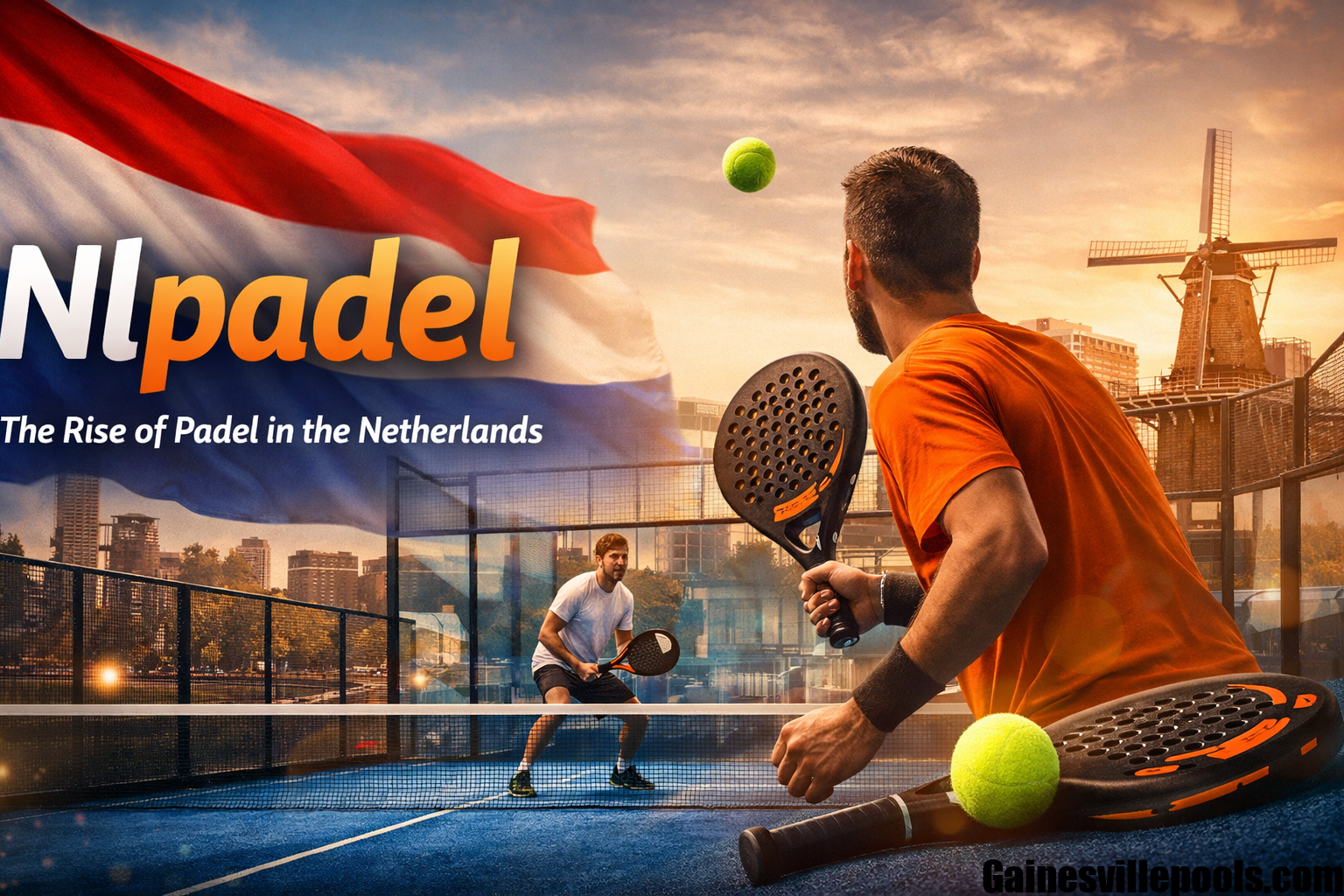
Nlpadel. While the word may initially seem unfamiliar, it represents an important development in the world of modern racket sports. Nlpadel essentially refers to the expanding padel ecosystem in the Netherlands, including clubs, players, tournaments, infrastructure, and digital communities built around the sport.
Padel itself has experienced an extraordinary surge in popularity across Europe and many other regions. As one of the fastest-growing recreational sports globally, padel combines elements of tennis and squash while introducing its own unique style of gameplay. In the Netherlands, this rapid growth has created a thriving culture surrounding the sport, and the term Nlpadel has emerged as a way to describe that movement.
Understanding Nlpadel means exploring not only the sport itself but also the cultural, social, and economic factors that have helped transform padel into one of the most exciting athletic trends in the country.
What Is Nlpadel?
The term Nlpadel is typically interpreted as a reference to padel activities within the Netherlands. The abbreviation “NL” represents the Netherlands internationally, while “padel” refers to the increasingly popular racket sport played on enclosed courts. Together, the term represents the Dutch padel environment, including training facilities, sports clubs, competitions, and the growing community of enthusiasts.
Although Nlpadel is not always tied to a single organization or brand, it often appears in discussions about Dutch padel infrastructure and the development of the sport within the country. It can refer to websites, online communities, sporting initiatives, or simply the broader movement that has turned padel into a mainstream recreational activity in the Netherlands.
What makes the Nlpadel concept particularly interesting is that it reflects the rapid transformation of the country’s sports landscape. A decade ago, padel courts were relatively rare in the Netherlands. Today, new facilities continue to appear in cities and towns across the country, creating opportunities for both amateur players and professional athletes.
The Origins of Padel and Its Arrival in the Netherlands
To fully understand Nlpadel, it is important to explore the origins of padel itself. The sport was first created in Mexico in the late twentieth century when a modified version of tennis was developed to fit within a smaller playing area. Over time, the game spread to Spain and Argentina, where it became enormously popular.
Padel differs from tennis in several key ways. The court is smaller and enclosed by glass walls and metal fencing. Players can use these walls during rallies, which adds a strategic element similar to squash. The game is typically played in doubles, making it a highly social sport that encourages teamwork and communication.
The Netherlands began adopting padel more widely in the early 2010s. Initially introduced through tennis clubs seeking new activities for members, the sport quickly attracted attention due to its accessibility and fast-paced gameplay. Many people discovered that padel was easier to learn than tennis while still providing an exciting and competitive experience.
As more players became interested in the sport, the foundation for the Nlpadel movement began to take shape.
The Rapid Expansion of Nlpadel
The growth of padel in the Netherlands has been remarkable. Over the past decade, the number of courts and clubs dedicated to the sport has increased dramatically. Tennis clubs that once operated only traditional courts began converting sections of their facilities to include padel courts, recognizing the demand from players.
This expansion created an entirely new sporting community. Amateur players started organizing social matches, training programs emerged, and tournaments began appearing on local and national calendars. As the popularity of the sport grew, the phrase Nlpadel began circulating online as a shorthand way to refer to the Dutch padel scene.
One of the major reasons behind this rapid expansion is the accessibility of the sport. Unlike many traditional racket sports, padel does not require years of training to enjoy. Beginners can quickly learn the basic rules and start playing competitive games within a short time. This inclusiveness has attracted a wide variety of participants, including families, students, and former tennis players.
The Netherlands has also invested in high-quality sporting infrastructure, making it easier for clubs to build modern courts and facilities. As a result, the Nlpadel ecosystem now includes hundreds of courts and thousands of active players.
The Community Culture Behind Nlpadel
Another important aspect of Nlpadel is the strong sense of community that surrounds the sport. Padel is often described as a social game because it is typically played in doubles and encourages interaction between players.
In the Netherlands, clubs frequently organize social leagues, weekend tournaments, and community events where players of different skill levels can participate. These gatherings help newcomers integrate into the sport while giving experienced players opportunities to compete and improve their abilities.
The welcoming nature of the sport has made it especially appealing for individuals looking to stay active while building social connections. Many players view padel not only as a competitive activity but also as a lifestyle experience that brings people together.
Within the Nlpadel environment, clubs often emphasize friendly competition, inclusivity, and shared enthusiasm for the sport. This positive culture has played a major role in sustaining the sport’s popularity.
Infrastructure and Facilities Supporting Nlpadel
As interest in padel increased, Dutch sports organizations and private investors began developing dedicated facilities designed specifically for the sport. Modern padel clubs often feature indoor and outdoor courts, professional lighting systems, and comfortable viewing areas for spectators.
Indoor courts have become particularly important in the Netherlands because of the country’s climate. By providing year-round playing opportunities, these facilities ensure that players can continue enjoying the sport regardless of weather conditions.
Many clubs also offer coaching programs for beginners and advanced players. Professional trainers help athletes improve their techniques, understand court positioning, and develop strategic gameplay. This structured training environment has contributed significantly to the overall quality of padel in the Netherlands.
As the infrastructure continues to grow, the Nlpadel ecosystem becomes increasingly sophisticated, offering both recreational and professional opportunities.
Competitive Padel in the Netherlands
While padel began as a recreational activity in the Netherlands, competitive play has rapidly developed in recent years. National tournaments and league competitions now provide platforms for players to showcase their skills and compete at higher levels.
Professional athletes representing the Netherlands have also started participating in international competitions, helping raise the profile of the sport. These tournaments attract spectators and media coverage, further expanding the visibility of padel within the country.
The development of competitive structures has been an essential part of the Nlpadel movement. Organized leagues allow players to track their progress, compete against others with similar abilities, and build lasting rivalries that add excitement to the sport.
Technology and Digital Platforms in Nlpadel
Modern sports increasingly rely on technology to enhance the player experience, and padel in the Netherlands is no exception. Digital platforms now allow players to reserve courts, organize matches, and track their performance through mobile applications.
Many clubs have implemented online booking systems that simplify scheduling and ensure that courts are used efficiently. Some platforms also include ranking systems, which allow players to compare their results with others in their local community.
Technology has also improved training methods. Video analysis tools and performance tracking systems help players identify areas where they can improve. Coaches can review recorded matches to provide more detailed feedback and develop personalized training programs.
These innovations demonstrate how Nlpadel is evolving alongside technological advancements.
Why Nlpadel Continues to Grow
Several factors explain why padel has experienced such extraordinary growth in the Netherlands. The sport offers a unique combination of accessibility, social interaction, and competitive excitement that appeals to a wide audience.
Unlike some traditional sports that require significant technical expertise, padel allows beginners to enjoy the game almost immediately. The smaller court size and slower ball speed make rallies longer and more engaging, which adds to the fun of playing.
The social nature of the sport also plays a major role in its popularity. Doubles gameplay encourages communication and teamwork, making matches feel collaborative rather than purely competitive.
In addition, the Netherlands has a strong culture of recreational sports participation. Citizens are encouraged to stay active and participate in community activities, which aligns perfectly with the welcoming atmosphere of padel clubs.
The Future of Nlpadel
Looking ahead, the future of Nlpadel appears extremely promising. As more clubs continue building courts and more players discover the sport, the padel community in the Netherlands is expected to expand even further.
Sports analysts predict that padel could eventually rival tennis in popularity within the country. International tournaments may also play a larger role in promoting Dutch athletes and attracting visitors interested in the sport.
Innovations in training technology, facility design, and community engagement will likely shape the next stage of development. With continued support from sports organizations and enthusiastic players, the Nlpadel movement is poised to become an integral part of the European padel landscape.
Conclusion
Nlpadel represents far more than a simple keyword. It symbolizes the rapid rise of padel within the Netherlands and the vibrant community that has formed around this exciting sport. From local clubs and training programs to national competitions and technological innovations, the Dutch padel ecosystem continues to grow in both scale and influence.
As the sport gains international recognition, the Netherlands is emerging as an important contributor to the global padel movement. For players, fans, and sports enthusiasts alike, Nlpadel captures the spirit of a game that combines competition, community, and pure enjoyment.
With its accessible gameplay and strong social culture, padel in the Netherlands shows no signs of slowing down. The continued expansion of courts, clubs, and players ensures that Nlpadel will remain a significant part of the country’s sporting identity for years to come.