
Understanding Jernsenger in Detail
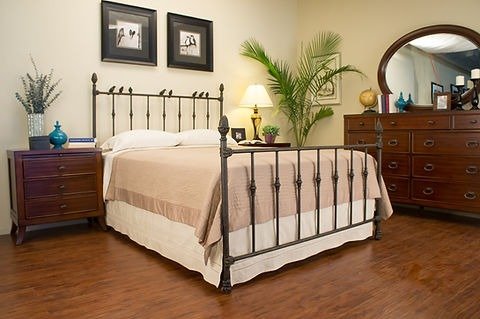
Jernsenger, widely known as iron beds, are more than just sleeping furniture. They represent strength, longevity, and timeless design that has survived centuries of changing interior trends. Unlike temporary furniture solutions that focus only on appearance, jernsenger combine function with structure, offering a reliable sleeping foundation that remains relevant in both traditional and modern homes. Their growing popularity in today’s competitive furniture market is closely linked to consumer demand for durability, sustainability, and long-term value.
The Origin and Historical Importance of Jernsenger
The origin of jernsenger can be traced back to periods when ironworking became refined enough to be used beyond tools and weapons. Early iron beds were introduced as a healthier alternative to wooden beds, especially in regions where pests and humidity were major concerns. Over time, jernsenger evolved from purely functional frames into decorative furniture pieces, often crafted by skilled metalworkers. These beds became symbols of stability and craftsmanship, especially in Europe, where iron furniture reflected both social status and practical thinking. This historical background continues to influence modern iron bed designs.
Why Iron Is Ideal for Bed Construction
Iron has unique physical properties that make it highly suitable for bed frames. Its strength allows jernsenger to support significant weight without bending or weakening over time. Unlike softer materials, iron maintains its structure even under constant pressure, ensuring a stable and noise-free sleeping experience. This structural reliability is one of the main reasons jernsenger are preferred for long-term use. Iron also resists many common forms of damage, such as cracking or splitting, which are often seen in wooden alternatives.
Design Evolution of Modern Jernsenger
Modern jernsenger reflect a blend of tradition and innovation. While classic iron beds featured heavy frames and ornamental designs, contemporary versions are often lighter and more refined. Advances in manufacturing allow iron to be shaped into minimalistic frames that suit modern interior styles. At the same time, decorative iron beds with artistic detailing remain popular for vintage and luxury interiors. This wide design range allows jernsenger to adapt easily to different tastes, making them a versatile choice for homeowners and designers.
Jernsenger and Bedroom Aesthetics
Jernsenger contribute significantly to the overall visual balance of a bedroom. Their clean lines and open structure create a sense of space, especially in smaller rooms. Unlike bulky furniture, iron beds allow light to flow freely, making the room feel more open and airy. When paired with soft bedding, curtains, and rugs, jernsenger create a contrast that enhances comfort without sacrificing strength. This balance between softness and structure is one of the defining characteristics of iron beds.
Comfort and Structural Stability
Comfort is closely linked to stability, and jernsenger excel in this area. A solid iron frame provides even mattress support, reducing the risk of sagging over time. This consistency helps maintain proper sleeping posture and contributes to better rest. Many jernsenger designs also allow adjustable mattress bases, making them compatible with various mattress types. This adaptability ensures that comfort is not compromised, regardless of personal sleeping preferences.
Long-Term Durability and Reliability
One of the strongest advantages of jernsenger is their exceptional lifespan. With proper care, an iron bed can remain functional and visually appealing for decades. Unlike trend-based furniture that may lose relevance or strength, jernsenger age gracefully. Minor scratches or surface wear can often be repaired without affecting structural integrity. This durability makes iron beds a smart investment for individuals who prioritize quality over frequent replacement.
Maintenance Requirements of Jernsenger
Maintaining jernsenger is straightforward and cost-effective. Routine cleaning with a soft cloth is usually enough to preserve their appearance. Most modern iron beds come with protective coatings that prevent rust and corrosion, even in humid environments. If damage occurs, simple touch-up treatments can restore the finish. Compared to upholstered beds that require deep cleaning or wooden beds that need polishing, jernsenger demand minimal upkeep.
Sustainability and Environmental Impact
Sustainability is an increasingly important factor in furniture selection, and jernsenger align well with eco-conscious values. Iron is one of the most recyclable materials available, and many manufacturers use recycled metal in production. Because jernsenger last significantly longer than many alternatives, they reduce furniture waste and the need for frequent replacements. This long lifecycle makes iron beds an environmentally responsible option for modern households.
Jernsenger in Contemporary Living Spaces
In contemporary homes, jernsenger are appreciated for their adaptability. They fit seamlessly into urban apartments, family homes, and guest accommodations. Their sturdy build makes them suitable for high-use environments, such as rental properties and hotels. At the same time, their refined designs allow them to function as statement pieces in luxury bedrooms. This flexibility ensures that jernsenger remain relevant across various living conditions.
Customization Possibilities with Jernsenger
Customization is another major advantage of jernsenger. Iron can be shaped, colored, and finished according to specific preferences. From simple matte finishes to elaborate hand-forged designs, customization allows each bed to reflect individual style. Many homeowners choose custom iron beds to match unique interior themes or room dimensions. This personalized approach enhances both the functional and emotional value of jernsenger.
Comparing Jernsenger with Other Bed Materials
When compared to other bed types, jernsenger offer a balanced combination of durability and design flexibility. Wooden beds provide warmth but are more vulnerable to environmental changes. Upholstered beds focus on luxury but require more maintenance. Jernsenger, on the other hand, offer strength, ease of care, and design variety. This balance makes them an attractive option for consumers seeking both practicality and style.
Cultural Relevance of Jernsenger
Jernsenger hold cultural significance in many regions, symbolizing resilience and craftsmanship. In some cultures, iron beds are associated with heritage homes, while in others they represent modern industrial design. This cultural versatility highlights the universal appeal of iron as a material. Regardless of region, jernsenger are valued for their reliability and timeless aesthetic.
Market Demand and Consumer Preference
The demand for jernsenger continues to grow as consumers become more informed about furniture quality. Buyers increasingly prefer products that offer long-term value rather than temporary trends. High-quality iron beds are often seen as premium items due to their durability and craftsmanship. This growing appreciation for well-made furniture supports the strong market position of jernsenger.
Technological Advancements in Iron Bed Manufacturing
Modern manufacturing techniques have transformed jernsenger into lighter, stronger, and more refined products. Improved welding, coating, and finishing methods enhance both durability and appearance. These advancements allow manufacturers to meet modern design expectations while preserving the traditional strength of iron. As technology evolves, jernsenger continue to improve in both function and form.
Future Outlook of Jernsenger
The future of jernsenger looks promising as sustainability and durability remain key priorities for consumers. Designers are constantly experimenting with new forms and finishes, ensuring that iron beds stay visually appealing. As living spaces become more compact, the slim and strong nature of jernsenger makes them an ideal choice. Their ability to adapt to changing lifestyles ensures continued relevance in the furniture industry.
Conclusion
Jernsenger represent a perfect combination of strength, longevity, and design versatility. Their historical roots, structural reliability, and modern adaptability make them a standout choice in today’s competitive furniture market. From sustainability to comfort and aesthetics, iron beds offer benefits that go far beyond basic functionality. Choosing jernsenger is not just about selecting a bed; it is about investing in quality, stability, and timeless design that will remain valuable for years to come.