
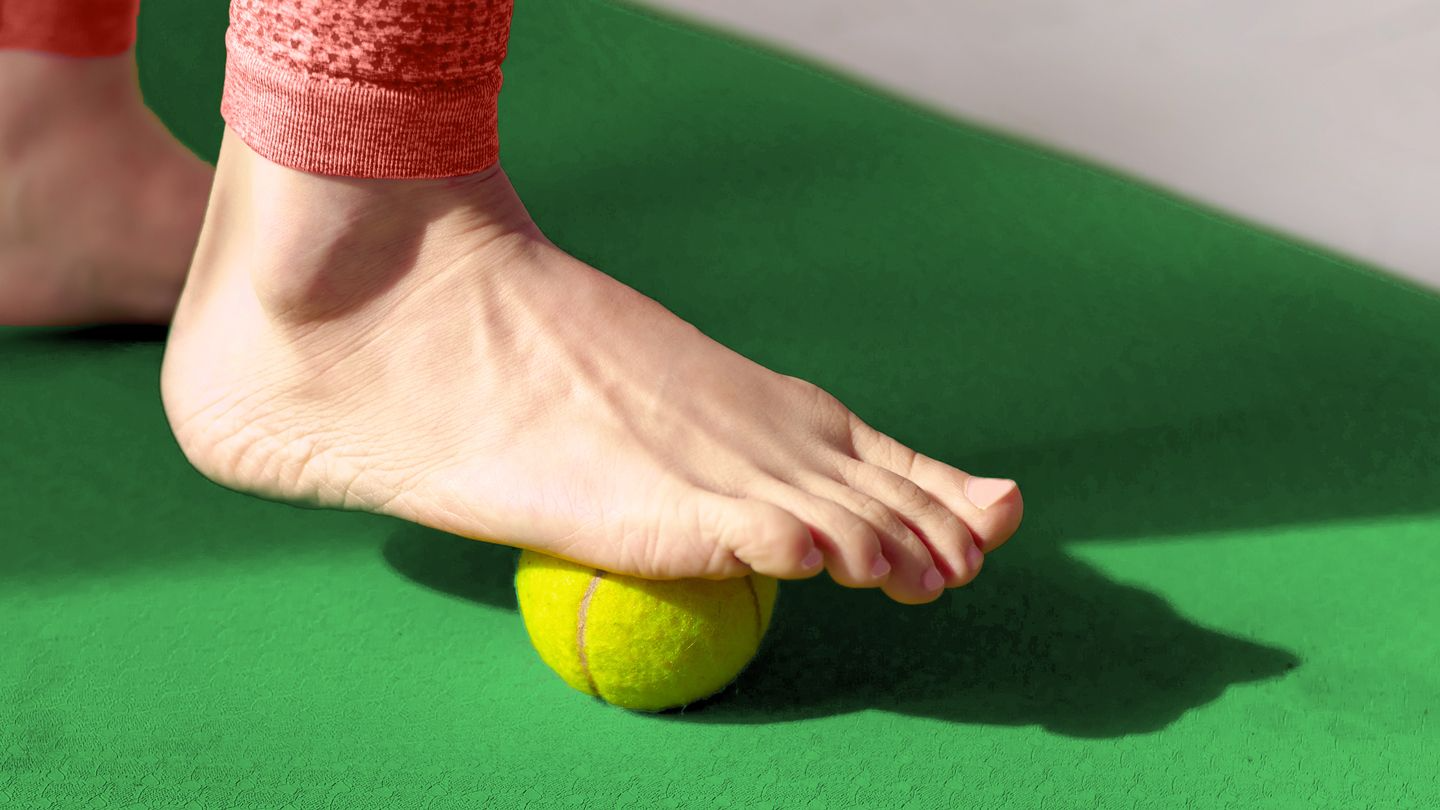
Introduction to Fotbladet
Fotbladet is one of those terms that quietly carries enormous importance. It refers to the sole of the foot, the entire bottom surface that meets the ground with every step you take. Although small in area compared to the rest of the body, fotbladet plays a decisive role in balance, movement, shock absorption, and overall musculoskeletal health. When problems arise in this region, pain and dysfunction often spread upward to the knees, hips, and spine.
In recent years, the term fotbladet has appeared online in many different and sometimes misleading contexts, including footwear brands, insoles, and wellness products. Despite this confusion, its original and medically correct meaning remains anatomical. This article focuses exclusively on that correct meaning and provides a clear, science-based understanding of fotbladet, its structure, its function, and how to protect it long term.
What Fotbladet Actually Means
Fotbladet is a Scandinavian medical and anatomical term used primarily in Swedish and Norwegian healthcare contexts. Translated into English, it refers to the sole of the foot, also known as the plantar surface. It includes the area from the heel to the ball of the foot, excluding the toes themselves.
This region is not a single tissue or structure. Fotbladet is a complex anatomical zone made up of bones, muscles, ligaments, fat pads, blood vessels, and nerves that work together to support body weight and enable movement. One of the most important components within fotbladet is the plantar fascia, a thick band of connective tissue that supports the arch and plays a key role in many foot-related pain conditions.
Understanding fotbladet correctly is essential because it forms the foundation of human locomotion. Every step, jump, or shift of balance depends on the integrity and function of this area.
The Anatomical Structure of Fotbladet
The anatomy of fotbladet is intricate and highly specialized. Beneath the skin lies a layered system designed to handle pressure, absorb impact, and transmit force efficiently.
The bony framework of fotbladet consists of 26 bones that form the hindfoot, midfoot, and forefoot. The heel bone provides the primary point of contact during walking, while the midfoot bones form the arch structure that gives the foot its spring-like properties. The forefoot distributes weight during push-off and forward propulsion.
Covering these bones are muscles and tendons that control fine movements and stabilize the foot. Intrinsic foot muscles, located entirely within the foot, help maintain arch shape and balance. Extrinsic muscles, which originate in the lower leg, assist with powerful movements such as walking and running.
A crucial protective feature of fotbladet is the fat pad beneath the heel and forefoot. This dense cushioning layer absorbs shock during impact and prevents excessive stress from reaching bones and joints. Over time, thinning or displacement of this fat pad can significantly increase pain and injury risk.
Thousands of nerve endings are embedded within fotbladet, making it one of the most sensitive areas of the body. These nerves provide constant feedback to the brain about pressure, position, and surface texture, enabling balance and coordination.
The Function of Fotbladet in Movement and Balance
Fotbladet serves multiple essential functions that go far beyond simply touching the ground. One of its primary roles is weight distribution. When standing still, body weight is spread across the heel, arch, and ball of the foot. During walking or running, this distribution constantly shifts to adapt to movement and terrain.
Shock absorption is another critical function. Each step generates force that travels upward through the body. Fotbladet, especially the heel fat pad and plantar fascia, absorbs much of this impact, protecting the knees, hips, and spine from excessive stress.
Fotbladet also plays a central role in propulsion. As the foot pushes off the ground, stored elastic energy in the plantar fascia and arch structure is released, helping move the body forward efficiently. When this mechanism is compromised, walking becomes less efficient and more tiring.
Equally important is sensory feedback. The nerves in fotbladet provide real-time information that allows the body to adjust posture and prevent falls. Even subtle changes in surface texture or slope are detected through the sole of the foot.
Common Conditions Affecting Fotbladet
Because fotbladet bears constant load, it is vulnerable to overuse, injury, and degeneration. One of the most well-known conditions affecting this area is plantar fasciitis. This condition involves inflammation or irritation of the plantar fascia and typically causes sharp heel pain, especially during the first steps in the morning.
Metatarsalgia is another common problem, characterized by pain and inflammation in the ball of the foot. It often results from high-impact activities, improper footwear, or uneven weight distribution across fotbladet.
Morton’s neuroma occurs when nerve tissue between the toes thickens due to repeated compression. Although the pain is often felt near the toes, the condition originates within the structures of fotbladet and is influenced by pressure patterns in the sole.
Flat feet, or collapsed arches, alter the mechanics of fotbladet by increasing contact with the ground. This change can lead to fatigue, instability, and pain that extends beyond the foot itself.
Calluses and corns are protective skin responses to repeated pressure or friction. While mild thickening is normal, excessive buildup often signals uneven load distribution within fotbladet and may indicate deeper biomechanical issues.
Causes of Fotbladet Pain and Dysfunction
Pain in fotbladet rarely appears without cause. One of the most common contributors is improper footwear that lacks adequate support or cushioning. Shoes that are too stiff, too soft, or poorly fitted can disrupt normal pressure patterns and strain soft tissues.
Sudden increases in physical activity are another major factor. When tissues in fotbladet are exposed to loads beyond their current capacity, microdamage accumulates faster than the body can repair it. This is especially common in runners and individuals returning to exercise after long periods of inactivity.
Excess body weight significantly increases stress on fotbladet. Each additional kilogram multiplies the force transmitted through the foot during movement, accelerating tissue fatigue and breakdown.
Biomechanical factors such as abnormal gait patterns, muscle imbalances, or limited ankle mobility can also overload specific regions of fotbladet, leading to localized pain and inflammation.
Evidence-Based Treatment for Fotbladet Problems
Most fotbladet conditions respond well to conservative, evidence-based treatment when addressed early. Rest and activity modification are often the first steps, allowing irritated tissues time to recover without further overload.
Cold therapy, applied for short intervals, can reduce inflammation and alleviate pain. Stretching exercises targeting the plantar fascia and calf muscles improve flexibility and reduce tension across the sole of the foot.
Footwear changes are one of the most effective interventions. Shoes with proper arch support, cushioning, and stable heel structure help redistribute pressure more evenly across fotbladet. In many cases, supportive insoles or orthotics provide additional relief by correcting biomechanical imbalances.
Physical therapy plays an important role in rehabilitation. Targeted exercises strengthen intrinsic foot muscles, improve mobility, and restore efficient movement patterns. Manual therapy techniques may also be used to improve tissue flexibility and circulation.
In more persistent cases, night splints, taping techniques, or medical interventions may be recommended by healthcare professionals to support healing.
Preventing Long-Term Damage to Fotbladet
Prevention is always more effective than treatment. Gradual progression in physical activity allows tissues in fotbladet to adapt safely to increased loads. Sudden spikes in intensity or duration should be avoided whenever possible.
Regular foot-strengthening exercises help maintain arch stability and improve resilience. Simple movements such as toe curls, heel raises, and balance drills can significantly enhance foot function over time.
Maintaining a healthy body weight reduces mechanical stress on fotbladet and lowers the risk of chronic pain. Even modest weight reduction can have a meaningful impact on foot health.
Routine self-examination is another valuable habit. Checking the sole of the foot for changes in skin texture, swelling, or tenderness allows early intervention before minor issues escalate.
When to Seek Professional Help
While many fotbladet issues improve with self-care, some situations require professional evaluation. Pain that persists beyond two weeks despite conservative treatment should be assessed by a qualified healthcare provider.
Symptoms such as numbness, tingling, burning sensations, or sudden loss of strength may indicate nerve involvement and should not be ignored. Visible deformity, severe swelling, or inability to bear weight also warrant immediate attention.
Individuals with underlying conditions such as diabetes should be especially vigilant, as reduced sensation and circulation increase the risk of complications affecting fotbladet.
The Importance of Fotbladet for Whole-Body Health
Fotbladet does not exist in isolation. Its condition directly influences posture, gait, and joint alignment throughout the body. When the sole of the foot functions poorly, compensations often develop that place excessive strain on the knees, hips, and lower back.
Conversely, a healthy fotbladet supports efficient movement, reduces injury risk, and enhances overall quality of life. Paying attention to this foundational structure is one of the most effective ways to protect long-term mobility and independence.
Conclusion
Fotbladet is far more than a simple surface beneath the foot. It is a sophisticated anatomical system that supports movement, absorbs shock, and connects the body to the ground. Understanding its structure and function provides valuable insight into many common pain conditions and highlights the importance of proper care.
By recognizing fotbladet as an anatomical foundation rather than a marketing concept, individuals can make informed decisions about footwear, activity, and preventive care. Protecting this essential region pays dividends not only in foot comfort but in overall musculoskeletal health for years to come.
Disclaimer
This content is provided for informational and educational purposes only and is not intended as medical advice, diagnosis, or treatment. Fotbladet refers to the anatomical sole of the foot, and any health-related information discussed should not replace consultation with a qualified healthcare professional. Always seek the advice of a physician, podiatrist, or other licensed medical provider regarding foot pain, injuries, or medical conditions. Reliance on any information in this article is strictly at your own risk.