
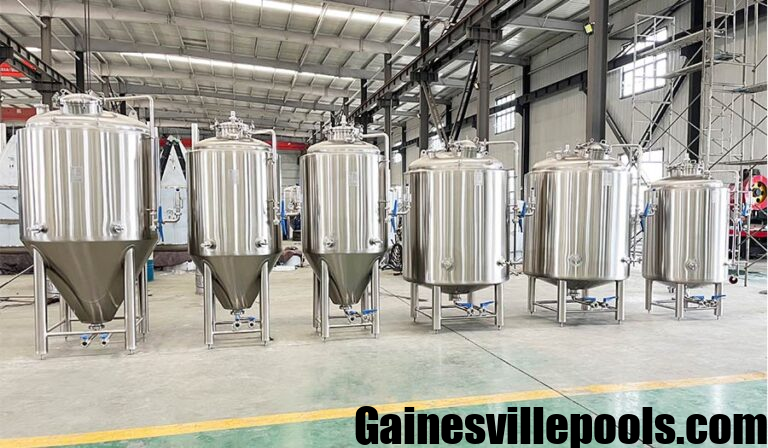
Fermentation tanks are among the most valuable assets in any brewery, winery, or beverage production facility. Whether you are producing beer, kombucha, wine, or distilled products, these vessels play a central role in determining product quality, operational efficiency, and overall production capacity.
However, fermentation tanks are also subject to constant stress—temperature fluctuations, pressure changes, chemical exposure, and frequent cleaning cycles all contribute to wear and tear over time. Without proper maintenance and care, even high-quality tanks can degrade, leading to contamination risks, inefficiencies, and costly replacements.
In this comprehensive guide, we will explore how to extend the lifespan of fermentation tanks through effective maintenance strategies, cleaning routines, and operational best practices. Whether you are managing a small craft operation or a large-scale facility, these tips will help you protect your investment and maintain consistent performance.
Why Fermentation Tank Maintenance Matters
Fermentation tanks are not just storage containers—they are controlled environments where critical biological and chemical processes occur. Any issue with tank integrity, cleanliness, or temperature control can directly impact the quality of your product.
Proper maintenance ensures:
- Consistent fermentation performance
- Reduced contamination risk
- Improved energy efficiency
- Longer equipment lifespan
- Lower repair and replacement costs
Neglecting maintenance can lead to problems such as microbial contamination, corrosion, pressure leaks, and inefficient temperature control—all of which can compromise both product quality and profitability.
Understanding the Structure of Fermentation Tanks
Before implementing maintenance strategies, it’s important to understand the key components of a fermentation tank.
Typical fermentation tanks include:
- Stainless steel vessel body
- Cooling jackets
- Insulation layers
- Pressure relief valves
- Sample ports and manways
- CIP (Clean-in-Place) systems
Each component requires specific attention during maintenance. For example, cooling jackets must remain free of blockages, while seals and gaskets must be inspected regularly to prevent leaks.
Working with professional suppliers offering fermentation tank solutions ensures that tanks are designed with durability and maintenance in mind.
Daily Cleaning Practices for Tank Longevity
Cleaning is the foundation of tank maintenance. Residue buildup from fermentation can create an environment for bacteria and affect future batches.
Immediate Post-Use Cleaning
After each fermentation cycle:
- Rinse the tank with warm water
- Remove visible residue
- Apply appropriate cleaning agents
Use of Proper Cleaning Chemicals
Choose cleaning solutions that are effective but not overly harsh. Caustic cleaners can remove organic material, while acid cleaners help eliminate mineral deposits.
Thorough Rinsing
Always rinse thoroughly to remove any chemical residues that could affect the next batch.
Consistency in daily cleaning prevents long-term buildup and reduces the need for aggressive deep cleaning.
Implementing Effective CIP (Clean-in-Place) Systems
CIP systems are essential for efficient and consistent cleaning, especially in larger operations.
Benefits of CIP Systems
- Reduced labor
- Consistent cleaning results
- Improved safety
- Faster turnaround between batches
A well-designed CIP system circulates cleaning solutions through the tank and associated piping without requiring disassembly.
Best Practices for CIP
- Monitor cleaning solution concentration
- Maintain proper flow rates
- Ensure complete coverage of all surfaces
Modern brewery equipment systems often integrate advanced CIP designs to streamline maintenance and improve hygiene.
Preventing Corrosion and Material Degradation
Most fermentation tanks are made from stainless steel, which is highly resistant to corrosion. However, improper cleaning or exposure to harsh chemicals can still cause damage over time.
Avoid Chlorine-Based Cleaners
Chlorine can damage stainless steel and lead to pitting corrosion.
Use Proper Cleaning Agents
Stick to recommended cleaning chemicals designed for stainless steel equipment.
Monitor Water Quality
Hard water can lead to mineral buildup, which may affect tank surfaces and efficiency.
Regular inspections help detect early signs of corrosion before they become serious issues.
Maintaining Temperature Control Systems
Temperature control is critical for fermentation, and maintaining these systems is essential for tank longevity.
Inspect Cooling Jackets
Check for leaks, blockages, or uneven cooling performance.
Maintain Glycol Systems
Ensure glycol levels are adequate and that the system is functioning efficiently.
Monitor Temperature Sensors
Accurate readings are essential for maintaining consistent fermentation conditions.
Poor temperature control not only affects product quality but can also strain tank components over time.
Regular Inspection of Valves, Seals, and Fittings
Small components such as valves, gaskets, and seals are often overlooked but play a crucial role in tank performance.
Check for Wear and Tear
Inspect seals for cracks or degradation.
Ensure Proper Tightening
Loose fittings can lead to leaks and contamination.
Replace Components as Needed
Worn parts should be replaced promptly to prevent larger issues.
Routine inspection of these components helps maintain system integrity and prevents unexpected downtime.
Pressure Management and Safety Maintenance
Fermentation tanks often operate under pressure, especially in carbonated beverage production.
Inspect Pressure Relief Valves
Ensure they are functioning correctly to prevent over-pressurization.
Monitor Pressure Levels
Avoid exceeding recommended pressure limits.
Test Safety Systems Regularly
Regular testing ensures that safety mechanisms will function when needed.
Proper pressure management protects both equipment and personnel.
Scheduling Preventive Maintenance
Preventive maintenance is key to extending the lifespan of fermentation tanks.
Create a Maintenance Schedule
Include:
- Daily cleaning routines
- Weekly inspections
- Monthly deep cleaning
- Annual system checks
Document Maintenance Activities
Keeping records helps identify patterns and potential issues.
Train Staff
Ensure that all team members understand proper maintenance procedures.
A structured maintenance program reduces the likelihood of unexpected failures.
Avoiding Common Maintenance Mistakes
Even experienced operators can make mistakes that shorten tank lifespan.
Common Mistakes Include:
- Using improper cleaning chemicals
- Skipping regular inspections
- Overlooking small components
- Ignoring early signs of damage
- Inconsistent cleaning routines
Avoiding these mistakes can significantly extend the life of your equipment.
Optimizing Operational Practices
How you use your fermentation tanks also affects their longevity.
Avoid Overloading Tanks
Operating beyond capacity can strain the system.
Maintain Stable Conditions
Frequent temperature fluctuations can stress materials.
Handle Equipment Carefully
Proper handling during cleaning and operation prevents unnecessary damage.
Efficient operation complements maintenance efforts and helps preserve equipment performance.
Cost Benefits of Proper Maintenance
Investing in maintenance may seem like an added expense, but it offers significant long-term benefits.
Reduced Repair Costs
Early detection of issues prevents costly repairs.
Extended Equipment Lifespan
Well-maintained tanks can last for decades.
Improved Product Quality
Consistent performance leads to better results.
Increased Efficiency
Clean and well-maintained equipment operates more efficiently.
These benefits contribute to overall profitability and sustainability.
Future-Proofing Your Fermentation System
As production demands grow, your fermentation system should be able to adapt.
Plan for Expansion
Ensure space and infrastructure allow for additional tanks.
Upgrade Components
Consider modern features such as improved automation and monitoring systems.
Invest in Quality Equipment
High-quality tanks require less maintenance and offer better long-term value.
Future-proofing your system ensures that your operation remains competitive.
Conclusion: Protecting Your Investment for Long-Term Success
Fermentation tanks are a critical investment in any beverage production facility. Proper maintenance and care are essential for extending their lifespan, maintaining product quality, and ensuring efficient operations.
By implementing consistent cleaning routines, conducting regular inspections, and following best practices, you can protect your equipment and avoid costly issues.
For businesses looking to invest in reliable and high-performance systems, Micet’s equipment products offer an excellent solution. With durable construction, advanced engineering, and customizable designs, Micet provides fermentation tanks and brewing systems that support long-term success and operational excellence.
FAQs
1. How often should fermentation tanks be cleaned?
Fermentation tanks should be cleaned after every use, with regular deep cleaning scheduled based on production frequency.
2. What is the most common cause of tank damage?
Improper cleaning chemicals and neglecting maintenance are among the most common causes of damage.
3. Can proper maintenance really extend tank lifespan?
Yes, consistent maintenance can significantly extend the lifespan of fermentation tanks, often allowing them to last for decades with proper care.