
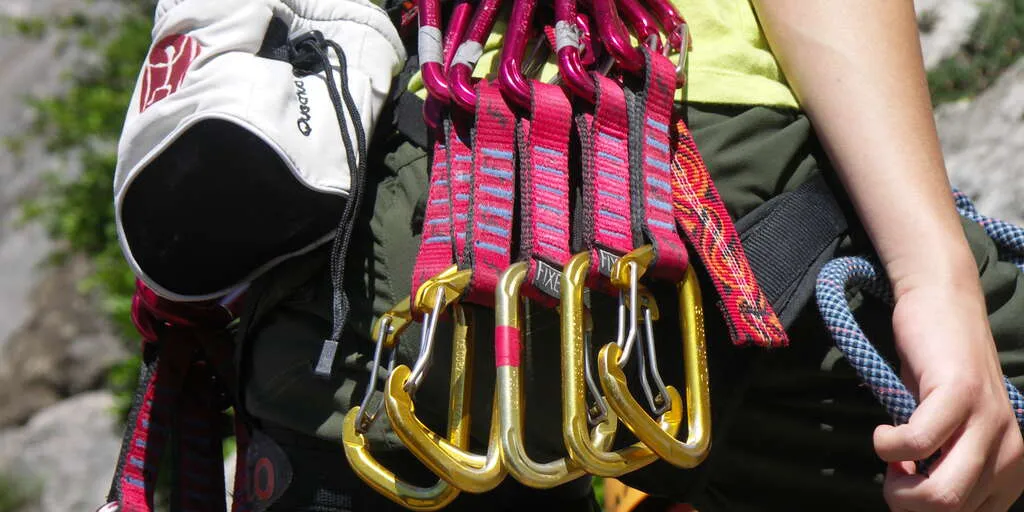
In the world of outdoor activities, few tools are as versatile and indispensable as the carabiner carabiner. Whether you are a rock climber, hiker, camper, or even someone who enjoys DIY projects, the carabiner carabiner is a piece of equipment that combines safety, convenience, and functionality. In this article, we will explore everything you need to know about the carabiner carabiner, including its types, uses, materials, and safety tips.
What is a Carabiner Carabiner?
A carabiner carabiner is a specialized type of metal loop with a spring-loaded gate, used primarily to connect components in safety-critical systems. It is widely recognized in climbing, mountaineering, caving, and rescue operations. The design allows it to quickly attach or detach from ropes, harnesses, and other gear, making it essential for both professional and recreational use.
The term “carabiner” comes from the German word Karabinerhaken, which translates to “hook for a carbine.” Historically, it was first used in the military to carry rifles, but its application has expanded far beyond that, especially in adventure sports and outdoor activities.
The History of the Carabiner Carabiner
The carabiner carabiner has a fascinating history that dates back to the late 19th century. Climbers and mountaineers in Europe needed a reliable and easy-to-use mechanism to secure ropes and gear while scaling challenging terrains. The first versions were simple iron loops with screw gates, but over time, technological advancements led to lightweight, high-strength designs made from aluminum alloys.
Today, the carabiner carabiner is a critical tool not only for climbers but also for military personnel, rescue teams, and even industrial workers who require fall protection. Its evolution showcases how a simple tool can transform into a modern safety marvel.
Types of Carabiner Carabiners
There are several types of carabiner carabiners, each designed for specific purposes. Understanding the differences is essential for choosing the right one for your needs.
Screw-Lock Carabiner Carabiner
The screw-lock carabiner carabiner features a manual locking mechanism that screws over the gate, providing extra security. This type is commonly used in climbing, caving, and rescue operations where safety is paramount.
Auto-Lock Carabiner Carabiner
The auto-lock carabiner carabiner automatically locks when the gate is closed. This feature ensures maximum safety without the need for manual intervention. It is ideal for high-risk activities such as mountaineering or industrial applications.
Wire-Gate Carabiner Carabiner
The wire-gate carabiner carabiner uses a lightweight wire loop instead of a solid metal gate. This reduces weight, prevents gate flutter, and is commonly preferred by climbers who need lightweight gear without compromising strength.
D-Shaped Carabiner Carabiner
The D-shaped carabiner carabiner is designed to maximize strength by directing the load to the spine of the carabiner. This makes it ideal for climbing anchors and high-stress points.
Oval Carabiner Carabiner
The oval carabiner carabiner has a symmetrical shape, making it perfect for organizing gear and aiding in pulley systems. Its versatility makes it a favorite among climbers and rescue professionals alike.
Materials Used in Carabiner Carabiners
The choice of material significantly affects the strength, weight, and durability of a carabiner carabiner.
Aluminum Carabiner Carabiners
Aluminum carabiner carabiners are lightweight and strong, making them perfect for climbing and recreational activities. They are corrosion-resistant and easy to carry, though they may wear faster under heavy use compared to steel.
Steel Carabiner Carabiners
Steel carabiner carabiners are heavier but offer exceptional strength and durability. They are commonly used in industrial settings, rescue operations, and situations where the carabiner must withstand heavy loads or abrasive conditions.
Titanium Carabiner Carabiners
Titanium carabiner carabiners are premium options known for being extremely lightweight yet incredibly strong. While more expensive, they are highly resistant to corrosion and wear, making them suitable for serious climbers and adventurers.
Uses of Carabiner Carabiners
The carabiner carabiner is not just for climbing—it has a multitude of applications in both outdoor and everyday life.
Climbing and Mountaineering
Climbers use carabiner carabiners to secure ropes, harnesses, and protection gear. They are vital for ensuring safety while ascending, descending, or traversing difficult terrains.
Camping and Hiking
For campers and hikers, carabiner carabiners are useful for hanging gear, securing tents, or attaching items to backpacks. Their convenience and strength make them perfect for outdoor adventures.
Rescue Operations
In rescue scenarios, carabiner carabiners play a critical role in securing ropes, pulleys, and harnesses. Auto-lock or screw-lock designs are often used to maximize safety in life-threatening situations.
Industrial Applications
Workers in construction, arboriculture, and maintenance often rely on carabiner carabiners as part of fall arrest systems. Steel variants are preferred for their strength and durability under heavy loads.
Everyday Use
Even outside outdoor activities, carabiner carabiners have practical applications. They can hold keys, attach gear to bags, or serve as a quick-link mechanism in everyday tasks.
How to Choose the Right Carabiner Carabiner
Selecting the right carabiner carabiner is crucial for safety and efficiency. Consider the following factors:
- Purpose: Identify whether you need it for climbing, industrial use, or everyday carry.
- Strength Rating: Check the kN (kilonewton) rating, which indicates the load capacity. A higher kN means higher strength.
- Gate Type: Choose between screw-lock, auto-lock, wire-gate, or solid-gate depending on the level of security required.
- Material: Aluminum for lightness, steel for strength, titanium for premium performance.
- Shape: D-shaped for strength, oval for versatility, or specialized shapes for specific tasks.
By evaluating these factors, you can ensure your carabiner carabiner meets your needs safely and efficiently.
Safety Tips for Using Carabiner Carabiners
Safety should always be the top priority when using a carabiner carabiner. Here are essential tips:
- Inspect Regularly: Check for cracks, deformations, or wear before each use.
- Proper Orientation: Ensure the carabiner is loaded along its spine, not across the gate.
- Avoid Overloading: Never exceed the rated strength of your carabiner carabiner.
- Lock Mechanism: Always lock screw-lock or auto-lock gates when necessary.
- Avoid Sharp Edges: Keep ropes and gear away from sharp edges that can damage your carabiner.
Following these guidelines will ensure your carabiner carabiner performs optimally and safely in any situation.
Carabiner Carabiners in Modern Adventure Gear
The popularity of carabiner carabiners has led to their integration into modern outdoor and adventure gear. Manufacturers now design backpacks, harnesses, and toolkits with built-in carabiner attachment points. This trend reflects the growing demand for gear that enhances convenience without compromising safety.
Many outdoor enthusiasts consider the carabiner carabiner a must-have item, as it adds versatility to their equipment setup. From clipping water bottles to securing ropes or organizing gear, the possibilities are endless.
The Future of Carabiner Carabiners
The future of the carabiner carabiner looks promising, with innovations focusing on weight reduction, material strength, and multifunctionality. Manufacturers are exploring carbon-fiber composites and advanced alloys to create carabiners that are stronger, lighter, and more durable.
Smart technology is also making its way into carabiner carabiners, with designs featuring built-in load indicators or GPS tracking for professional climbing and industrial applications. These advancements will further enhance safety and usability, solidifying the carabiner carabiner as an essential tool in both adventure sports and professional fields.
Conclusion
Carabiner carabiner is far more than a simple metal loop—it is a symbol of safety, versatility, and innovation. From climbers scaling vertical cliffs to hikers exploring remote trails, and even workers in high-risk environments, the carabiner carabiner is indispensable.
Its various types, materials, and uses make it adaptable to countless scenarios, ensuring that adventurers and professionals alike have a reliable and secure solution for connecting and securing gear. Whether you are an outdoor enthusiast or someone who appreciates practical everyday tools, investing in a high-quality carabiner carabiner is a smart decision.
As technology evolves and the demand for safer, lighter, and more functional equipment grows, the carabiner carabiner will continue to be at the forefront of innovation, proving that even the simplest tools can make a monumental impact on safety and convenience.